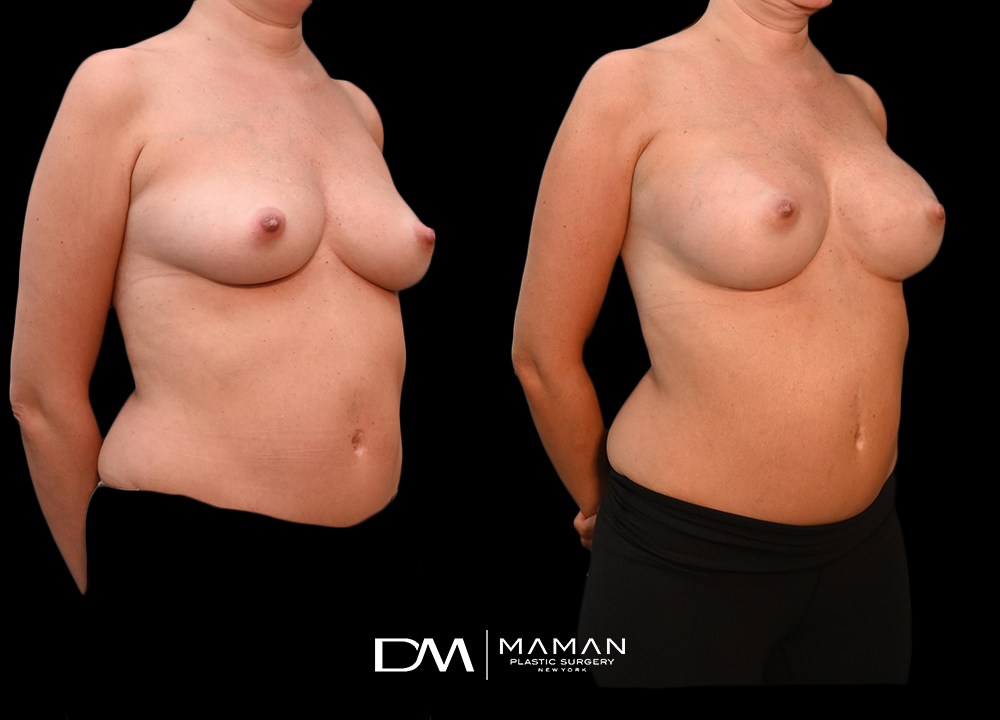
Project Category: Breast Augmentation

  • Understanding Breast Augmentation

    Understanding Breast Augmentation

    Breast augmentation is a popular cosmetic procedure employed to enhance the size and shape of a woman’s breasts. This is typically achieved using implants, which come in various shapes and sizes to meet individual preferences. Women choose breast augmentation for a variety of reasons, including boosting self-confidence, restoring breast volume after pregnancy or weight loss, or achieving a more proportionate and symmetrical appearance.

    The procedure involves making an incision, usually in inconspicuous areas to minimize visible scarring, and inserting the chosen implants either behind the breast tissue or under the chest muscle. Recovery time varies, but most women can resume normal activities within a few weeks.

    Understanding Breast Lift

    On the other hand, a breast lift, or mastopexy, is a procedure focused on raising and reshaping sagging breasts. Over time, factors like pregnancy, breastfeeding, gravity, and the natural aging process can lead to a loss of skin elasticity, causing the breasts to sag. A breast lift involves removing excess skin, tightening surrounding tissue, and repositioning the nipples to create a more youthful and lifted appearance.

    While breast lifts can produce impressive results on their own, some women may find that combining a breast lift with augmentation provides the comprehensive solution they desire.

    Benefits of Combining Breast Augmentation and a Breast Lift

    1. Enhanced Volume and Shape

    One of the primary benefits of combining these two procedures is the ability to address both volume loss and sagging simultaneously. Breast augmentation adds volume and fullness, while the breast lift addresses sagging, resulting in breasts that are not only lifted but also beautifully contoured.

    2. Long-lasting Results

    Combining breast augmentation with a breast lift can lead to longer-lasting results compared to undergoing each procedure separately. The supportive structures added during augmentation can help maintain the lifted appearance achieved through the breast lift.

    3. Improved Symmetry

    For women with naturally asymmetrical breasts or those who have experienced changes due to pregnancy and breastfeeding, a combination of breast augmentation and lift can provide a more balanced and symmetrical outcome.

    4. Single Recovery Period

    When opting for combined procedures, you only go through one recovery period, minimizing overall downtime. This can be especially appealing for individuals with busy lifestyles who want to streamline their cosmetic surgery experience.

    Why Combine Breast Augmentation and Breast Lift?

    The decision to combine breast augmentation with a breast lift is highly individual and depends on the specific goals and anatomy of each patient. While a breast lift alone can address sagging, it may not provide the desired volume or fullness. Conversely, breast augmentation alone may not address the issue of sagging. Combining the two procedures allows for a comprehensive approach, ensuring both volume and lift are achieved simultaneously.

    What to Expect During Surgery

    During the consultation, your plastic surgeon will discuss your goals, assess your breast anatomy, and recommend the best approach for your unique situation. The surgical plan will involve choosing the type and size of implants, determining the incision technique, and planning the adjustments needed for the breast lift.

    On the day of surgery, you will be under anesthesia, ensuring a pain-free experience. The surgeon will make the necessary incisions, insert the implants, and perform the breast lift. The entire procedure typically takes a few hours, and you can expect to go home the same day.

    Recovery and Aftercare

    Recovery from combined breast augmentation and a breast lift is similar to that of individual procedures. You may experience some discomfort, swelling, and bruising, but your surgeon will provide detailed postoperative instructions to help manage these symptoms. It’s crucial to follow these instructions, including wearing a supportive bra and avoiding strenuous activities during the initial recovery period.

    Most women can return to work and light activities within a week, but strenuous exercise and heavy lifting should be avoided for several weeks. Your surgeon will schedule follow-up appointments to monitor your progress and ensure a smooth recovery.

    How Do I Schedule a Consultation?

    If you’re considering the combined approach of breast augmentation and a breast lift, the first step is scheduling a consultation with a board-certified plastic surgeon. During this appointment, you can discuss your goals, ask any questions you may have, and gain a thorough understanding of the recommended procedures.

    Research potential surgeons, read reviews, and view before-and-after photos to ensure you choose a qualified and experienced professional. Remember, open communication with your surgeon is key to achieving the results you desire.

    In conclusion, the combination of breast augmentation and a breast lift offers a comprehensive solution for women seeking both enhanced volume and a lifted appearance. Understanding the individual procedures, their benefits, and what to expect during and after surgery is crucial in making an informed decision. If you’re ready to embark on the journey to achieve the breasts you’ve always wanted, scheduling a consultation with a skilled plastic surgeon is the first exciting step towards your desired look.

  • Breast Augmentation Recovery Time

    Breast Augmentation Recovery Time

    The recovery time after breast augmentation surgery can vary from person to person. In general, it is important to allow your body enough time to heal properly. Most individuals can expect the following recovery timeline:

    1. First few days: You may experience some discomfort, swelling, and bruising around the breasts. Pain medication prescribed by your surgeon can help manage any post-operative pain.
    2. First week: During this period, you should get plenty of rest and avoid any strenuous activities. Your surgeon may advise wearing a supportive surgical bra to aid in the healing process.
    3. Two weeks: Most individuals can resume light activities at this point, but it’s important to continue avoiding any vigorous exercise or heavy lifting.
    4. Four to six weeks: By this time, most of the swelling and bruising should subside, and you can gradually increase your activity level as guided by your surgeon. However, it is still advisable to avoid high-impact activities and contact sports.
    5. Six weeks and beyond: By this stage, you should be able to resume your normal activities, including exercise and physical exertion, if you are cleared by your surgeon.

    It’s crucial to note that these are general guidelines, and your actual recovery time may vary depending on factors such as the type of breast augmentation, individual healing abilities, and adherence to post-operative instructions.

    What to Expect After Breast Augmentation Surgery

    After breast augmentation surgery, it is important to have a realistic understanding of what to expect during the recovery process. Here are some common aspects you may experience:

    1. Discomfort and Swelling: You may experience some pain, discomfort, and swelling in the first few days after the surgery. Your surgeon may prescribe pain medication to help manage any discomfort.
    2. Dressings and Surgical Bra: Your breasts will be wrapped in dressings or a surgical bra immediately after the surgery to provide support and minimize swelling. Your surgeon will provide instructions on when to remove or change them.
    3. Restricted Activities: It is important to avoid any activities that could strain your chest muscles or breasts during the initial stages of recovery. Your surgeon will provide specific instructions on what activities to avoid and for how long.
    4. Recovery Timeline: The complete healing and settling of breast implants may take several weeks to months. The initial results may not reflect the final outcome, as the breasts will gradually settle into their desired position.
    5. Follow-up Appointments: Your surgeon will schedule follow-up appointments to monitor your healing progress, remove any sutures if necessary, and address any concerns or questions you may have.
    6. Emotional Adjustment: It is normal to experience a range of emotions during the recovery process, including excitement, anxiety, or temporary dissatisfaction with the initial appearance. It’s important to have open communication with your surgeon and allow yourself time to adjust to the changes.

    Factors That Affect Recovery Time After Breast Augmentation

    Several factors can influence the recovery time after breast augmentation surgery. These factors include:

    1. Surgical Technique: The specific surgical technique used for breast augmentation can impact the recovery time. Techniques such as submuscular placement (under the chest muscle) may require a slightly longer recovery compared to subglandular placement (over the muscle).
    2. Implant Placement and Size: The placement of the implants, either above or below the chest muscle, can affect the recovery time. Larger implants may require additional healing time.
    3. Individual Healing Abilities: Each person’s body heals at its own pace. Factors such as age, overall health, and individual healing abilities can impact the recovery process.
    4. Surgical Complications: In some cases, complications such as infection, hematoma (accumulation of blood), or capsular contracture (scar tissue formation around the implant) may occur, which can prolong the recovery time.
    5. Adherence to Post-Operative Instructions: Following your surgeon’s post-operative instructions, including proper wound care, medication, wearing a supportive bra, and avoiding strenuous activities, can significantly impact the recovery time.
    6. Lifestyle Factors: Smoking, excessive alcohol consumption, and poor nutrition can negatively affect the healing process and potentially lengthen the recovery time.

    Recommended Time Off Work After Breast Augmentation

    The recommended time off work after breast augmentation can vary depending on factors such as the nature of your job, the physical demands involved, and your individual healing progress. In general, it is advisable to take at least one week off work to ensure a smooth recovery.

    If your job involves minimal physical activity and you can avoid heavy lifting or strenuous movements, you may be able to return to work within a week. However, if your job requires significant physical exertion or involves heavy lifting, you may need to take additional time off.

    During the initial recovery period, it’s important to prioritize rest and limit any activities that could strain the chest muscles or breasts. Your surgeon will provide specific recommendations based on your job requirements and individual circumstances.

    Activities to Avoid During the Early Stages of Recovery

    During the early stages of recovery after breast augmentation, it is important to avoid activities that could strain the chest muscles or breasts. While the specific instructions may vary depending on your surgeon’s recommendations and your individual circumstances, here are some common activities to avoid:

    1. Strenuous Exercise: Avoid engaging in strenuous exercise, including weightlifting, running, or high-impact activities, for the first few weeks after surgery. These activities can put strain on the chest muscles and interfere with the healing process.
    2. Heavy Lifting: Refrain from lifting heavy objects, including children, pets, or heavy bags, during the initial recovery period. Lifting heavy weights can strain the chest muscles and potentially cause complications.
    3. Driving: You may be advised not to drive for a certain period after the surgery, typically until you are off pain medication and feel comfortable operating a vehicle. Follow your surgeon’s guidance regarding when it is safe to resume driving.
    4. Sleeping Position: Depending on your surgeon’s recommendation, you may need to sleep on your back and avoid sleeping on your stomach or side during the early stages of recovery to prevent pressure on the breasts.
    5. Sun Exposure: Direct sun exposure to the incision sites can lead to increased scarring. It is important to protect the incision areas from the sun by wearing appropriate clothing or using sunscreen as recommended by your surgeon.
    6. Smoking and Alcohol: Avoid smoking and excessive alcohol consumption during the recovery period, as they can impair the healing process.

    How Do I Schedule a Consultation?

    The first step to scheduling a consultation would be doing thorough research. There are many ways to find a plastic surgeon. Arguably the best way would be to receive a referral from another physician, such as an internist, dermatologist, or OB-GYN. These providers often see multiple patients with good results and can attest to those by referring their own patients somewhere. Friends are a secondarily good referral source, especially if they are patients themselves. When it comes to advertising, the most essential consideration is the plastic surgeon’s education, board certification ONLY by the American Board of Plastic Surgery, and before/after gallery. If those components match your desired outcome, then they would be a good source of information to seek in consultation. You will often come across taglines such as “no downtime surgery” or “no anesthesia required”. If it seems too good to be true, it probably is. There are no shortcuts to SAFE plastic surgery.

    The next step would be contacting the office of a board-certified plastic surgeon to find a time to meet them. First impressions last a lifetime, so pay attention when speaking to the receptionist upon calling. Should you decide to have surgery, this is the team you will be dealing with multiple times per month for at least a year. The administrative team is a direct reflection of the surgeon’s ways of working. Another thing to clarify would be a potential timeline for surgery. This is sometimes best done before reaching out to qualified providers because they are booked one to six months out, on average. Knowing well enough in advance will give you adequate time to interview surgeons, get any preoperative lab work done, and feel confident moving forward with your scheduled procedure.

  • How Long is the Recovery for Breast Augmentation

    How Long is the Recovery for Breast Augmentation

    Day One

    Upon waking from surgery, you will have a surgical bra in place with gauze pads on your chest covering the incisions. Typically, you will have tape or glue under the gauze, directly covering the incision sites. Your surgeon will tell you what to do with these dressings, like when to change them and when you can shower. The surgical compression bra should be worn 24 hours a day, except to shower and assess your breasts. In general, the first week after surgery you will have moderate pain in your breasts and around the sides of your chest. Most people describe the pain after surgery as muscle soreness. This pain should be easily controlled by your doctor’s prescribed medications and will get a little better each day.

    There may be minor drainage from the incision lines, like blood or clear fluid. You may even have drains to help manage any expected drainage. This will lessen over the first few days. You should expect to rest the first 24 hours after surgery with intermittent periods of light walking around your home to the bathroom and to get food. Starting the day following your surgery, you will be permitted to go outside for brief 10–15-minute walks up to 3 times per day.

    Week One

    You should expect to return to your surgeon’s office at least 1 to 2 times during the first week after surgery. This will include monitoring and management of any dressings, sutures, and drains. At your first week’s postoperative visit, you will receive a new compression bra that further expedites the resolution of swelling after surgery, while providing necessary support as you heal. At about one week you should expect any bruising to begin resolving, which may turn a yellowish hue. It is normal to still experience some slight soreness and inflammation. After one week you may start sleeping in a modified sideways position and briefly showering fully, including your breasts and the incision sites. By this time, returning to a sedentary work environment is expected. All medications should be discontinued by 1-week post-op.

    Month One

    One month after surgery, you will be feeling very well. Other than some minor swelling and numbness, life pretty much returns to normal. You will be cleared by your doctor to return to full workouts, including cardio and high-impact exercises. You will be transitioned from your surgical compression bra into something more “normal” like a sports bra for daily wear. There will be no more care of the surgical site other than keeping the healing incisions clean/dry. Your surgeon by one month will likely advise beginning a topical scar therapy regimen consisting of silicone gels to minimize their appearance for the next 3 months.

    How to Speed Up Your Recovery

    1. Follow instructions: Your plastic surgeon’s specific aftercare instructions will include guidelines on things such as which medications and supplements are okay to take and which are not, when and how long to wear a compression garment, how to properly clean incisions and when to reintroduce your body to exercise. Your instructions will depend on your procedure and other factors specific to your unique situation, so follow your plastic surgeon’s instructions.
    2. Move: Getting up and moving in the early phase after surgery will help restore blood flow to your tissues following a period of immobility. This ultimately helps reduce swelling with gravity and reduces the risk of postoperative constipation. It is important not to be overly active and to follow your surgeon’s guidance.
    3. Don’t smoke: Smoking decreases circulation and oxygenation of the tissues, which is harmful to surgical recovery. Most plastic surgical procedures will require you to abstain from smoking for 2-4 weeks before and after.
    4. Healthy eating/hydration: Be sure to follow a high-protein, nutrient-rich diet during the period after surgery. This is important for proper wound healing. You should prepare to drink more than the normal amount of water for the first 1-3 days after surgery. This will help restore any fluid volume lost with blood during surgery and helps to prevent postoperative constipation. Avoiding alcohol and salty foods will also improve your recovery.

    How Do I Schedule a Consultation?

    The first step to scheduling a consultation would be doing thorough research. There are many ways to find a plastic surgeon. Arguably the best way would be to receive a referral from another physician, such as an internist, dermatologist, or OB-GYN. These providers often see multiple patients with good results and can attest to those by referring their own patients somewhere. Friends are a secondarily good referral source, especially if they are patients themselves. When it comes to advertising, the most essential consideration is the plastic surgeon’s education, board certification ONLY by the American Board of Plastic Surgery, and before/after gallery. If those components match your desired outcome, then they would be a good source of information to seek in consultation. You will often come across taglines such as “no downtime surgery” or “no anesthesia required”. If it seems too good to be true, it probably is. There are no shortcuts to SAFE plastic surgery.

    The next step would be contacting the office of a board-certified plastic surgeon to find a time to meet them. First impressions last a lifetime, so pay attention when speaking to the receptionist upon calling. Should you decide to have surgery, this is the team you will be dealing with multiple times per month for at least a year. The administrative team is a direct reflection of the surgeon’s ways of working. Another thing to clarify would be a potential timeline for surgery. This is sometimes best done before reaching out to qualified providers because they are booked one to six months out, on average. Knowing well enough in advance will give you adequate time to interview surgeons, get any preoperative lab work done, and feel confident moving forward with your scheduled procedure.

  • What To Do After Your Plastic Surgery Consultation

    What To Do After Your Plastic Surgery Consultation

    Reflect

    The most important thing to do after a consultation for plastic surgery is to reflect on what you learned through the process. Firstly, you should evaluate how your experience compared to other consultations if you have been on multiples. Everything from the appointment scheduling process to your treatment by the members of the surgeon’s staff and the environment that the consultation took place matters. Secondly, it is likely you will have been presented with a lot of information about your cosmetic concern, what treatments the surgeon has recommended for you, and why. If there is anything still unclear, you should plan to return to the office for another visit or have a call with the surgeon/ clinical staff member to reinforce information from the consultation.

    Make a Decision

    Based on your reflection, you will potentially decide which surgeon best suits your needs. It is possible you may decide not to have surgery at all. If you are still unsure, it may be worth requesting to speak with a consenting patient from a surgeon you are considering to hear their first-person perspective of what the experience was like. This may be a deciding factor in your ultimate decision. Another large factor in the decision-making process is cost. Every surgeon will quote a different amount based on their experience and the type of practice they run. While cost is important, you should weigh it against everything you learned during the consultation process before deciding.

    Schedule Surgery

    Once you have decided who will perform your surgery, the next step is to reach out to their coordinator and select a date. Many surgeons have specific operative days of the week and book these days out well in advance. You can expect to wait 1-6 months on average from the time of your consultation to the date of surgery. Not only are the surgeon’s schedules restrictive, but there are items you will need to complete on your own before the surgery takes place. These are detailed below.

    Pre-operative Requirements

    Each surgeon and each unique surgery may have preoperative requirements that you will be responsible for prior to your surgery appointment. Breast surgery, for example, may require mammography to establish a baseline. Most surgeries requiring general anesthesia will require a visit to your primary care doctor for bloodwork and an EKG to ensure you are at minimal risk for complications. If you have any significant contributory medical/surgical history, you may also be required to see a specialist before surgery. Any required pre-op visit will produce a report that your doctor will need to review to make sure you are cleared. You can speak with your surgeon’s coordinator at the time of your consultation to get a better idea of any requirements prior to determining an ideal date so that you are well prepared.

  • What are Gummy Bear Breast Implants?

    What are Gummy Bear Breast Implants?

    “Gummy Bear” is the non-medical terminology used to refer to silicone gel breast implants that are form stable. These implants are filled with a highly cohesive version of silicone gel that holds shape, even when the implant is ruptured.

    Pros and Cons When Selecting Gummy Bear Implants

    Unlike earlier predecessors, Gummy Bear implants do not generally pose a risk of free-floating silicone. They have a much stronger shell and are filled with a material that is designed to remain inside the shell. Despite these advances in structural safety, silicone gel implants remain soft and extremely natural feeling.

    A potential downside for Gummy Bear implants is that because they are pre-filled when your surgeon places them, they will require a slightly longer scar. Saline implants come unfilled and can be placed in the body in a deflated state, requiring a smaller incision. Saline implants are generally not as soft, however, and can have more risk of unnatural rippling without adequate natural breast tissue.

    Do Gummy Bear Implants Generally Cost More?

    Compared to saline implants, Gummy Bear implants are generally more costly in terms of raw materials. Saline implants are filled with just that – saline. This is very inexpensive. The technology and manufacturing process required to produce Gummy Bear silicone implants is taken into consideration when thinking about the cost. As a result, you may see your surgeon price silicone breast augmentation or implant replacement slightly higher than its saline equivalent. This is generally not more than a few hundred to a few thousand dollars unless the technique involved changes the time required in surgery or otherwise.

    Deciding If They Are Right For You

    The first step would be doing thorough research. There are many ways to find a plastic surgeon. Arguably the best way would be to receive a referral from another physician, such as primary care, dermatologist, or OB-GYN. These providers often see multiple patients with good results and can attest to those by referring their own patients somewhere. Friends are a secondarily good referral source, especially if they are patients themselves. When it comes to advertising, the most essential consideration is the plastic surgeon’s education, board certification ONLY by the American Board of Plastic Surgery, and before/after gallery. If those components match your desired outcome, then they would be a good source of information to seek in consultation. You will often come across taglines such as “no downtime surgery” or “no anesthesia required”. If it seems too good to be true, it probably is. There are no shortcuts to SAFE plastic surgery.

    The next step would be contacting the office of a board-certified plastic surgeon to find a time to meet them. First impressions last a lifetime, so pay attention when speaking to the receptionist upon calling. Should you decide to have surgery, this is the team you will be dealing with multiple times per month for at least a year. The administrative team is a direct reflection of the surgeon’s ways of working. Another thing to clarify would be a potential timeline for surgery. This is sometimes best done before reaching out to qualified providers because they are booked one to six months out, on average. Knowing well enough in advance will give you adequate time to interview surgeons, get any preoperative lab work done, and feel confident moving forward with your scheduled procedure.

  • Case 1

    Case 1

    Patient

    39 year old female

    5’5″ , 117lbs

    Procedure

    Breast Augmentation by Dr. Daniel Maman

    Nipple/areolar incision

    Dual-plane implant position

    295cc silicone implants

    Moderate profile implants

    Request A Consultation

    To schedule a consultation with Dr. Maman or to get more information, kindly submit your details using the adjacent form and a member of our patient concierge team will promptly be in touch. We look forward to welcoming you to Maman Plastic Surgery.

    To schedule a consultation with Dr. Maman or to get more information, kindly submit your details using the form and a member of our patient concierge team will promptly be in touch. We look forward to welcoming you to Maman Plastic Surgery.

    Name

    **This form is not HIPAA-compliant. Please do not share sensitive medical information as part of your written inquiry.

  • Case 2

    Case 2

    Patient

    24 year old female

    5’9″ , 140lbs

    Procedure

    Breast Augmentation by Dr. Daniel Maman

    Nipple/areolar incision

    Dual-plane implant position

    285cc silicone implants

    Moderate Plus profile implants

    Request A Consultation

    To schedule a consultation with Dr. Maman or to get more information, kindly submit your details using the adjacent form and a member of our patient concierge team will promptly be in touch. We look forward to welcoming you to Maman Plastic Surgery.

    To schedule a consultation with Dr. Maman or to get more information, kindly submit your details using the form and a member of our patient concierge team will promptly be in touch. We look forward to welcoming you to Maman Plastic Surgery.

    Name

    **This form is not HIPAA-compliant. Please do not share sensitive medical information as part of your written inquiry.

  • Case 3

    Case 3

    Patient

    32 year old female

    5’9″ , 105lbs

    Procedure

    Breast Augmentation by Dr. Daniel Maman

    Nipple/areolar incision

    Dual-plane implant position

    215cc silicone implants

    Moderate Plus profile implants

    Request A Consultation

    To schedule a consultation with Dr. Maman or to get more information, kindly submit your details using the adjacent form and a member of our patient concierge team will promptly be in touch. We look forward to welcoming you to Maman Plastic Surgery.

    To schedule a consultation with Dr. Maman or to get more information, kindly submit your details using the form and a member of our patient concierge team will promptly be in touch. We look forward to welcoming you to Maman Plastic Surgery.

    Name

    **This form is not HIPAA-compliant. Please do not share sensitive medical information as part of your written inquiry.

  • Case 4

    Case 4

    Patient

    43 year old female

    5’3″ , 114lbs

    2 children

    Procedure

    Breast Augmentation by Dr. Daniel Maman

    Breast crease incision

    Dual-plane implant position

    255cc silicone implants

    Moderate Plus profile implants

    Request A Consultation

    To schedule a consultation with Dr. Maman or to get more information, kindly submit your details using the adjacent form and a member of our patient concierge team will promptly be in touch. We look forward to welcoming you to Maman Plastic Surgery.

    To schedule a consultation with Dr. Maman or to get more information, kindly submit your details using the form and a member of our patient concierge team will promptly be in touch. We look forward to welcoming you to Maman Plastic Surgery.

    Name

    **This form is not HIPAA-compliant. Please do not share sensitive medical information as part of your written inquiry.

  • Case 5

    Case 5

    Patient

    33 year old female

    5’6″ , 110lbs

    Procedure

    Breast Augmentation by Dr. Daniel Maman

    Breast crease incision

    Dual-plane implant position

    255cc silicone implants

    Moderate Plus profile implants

    Request A Consultation

    To schedule a consultation with Dr. Maman or to get more information, kindly submit your details using the adjacent form and a member of our patient concierge team will promptly be in touch. We look forward to welcoming you to Maman Plastic Surgery.

    To schedule a consultation with Dr. Maman or to get more information, kindly submit your details using the form and a member of our patient concierge team will promptly be in touch. We look forward to welcoming you to Maman Plastic Surgery.

    Name

    **This form is not HIPAA-compliant. Please do not share sensitive medical information as part of your written inquiry.